
Hollywood has a vast portion dedicated to animated movies, because the cinephiles are not only fans of movies and series but also toonheads for years. Any generation has at least one toon movie that they can call their favourite. Whether talking about Cars franchise generating racing craze among audience or Toy Story 5 and saga teaching importance of materials that belong to us, whether talking about the values we learned about our parents in Finding Nemo or the power of strongly handling big problems together as a family we saw in the Incredibles, animated movies have not only entertained us but also left a lasting effect on the minds of kids and teens.
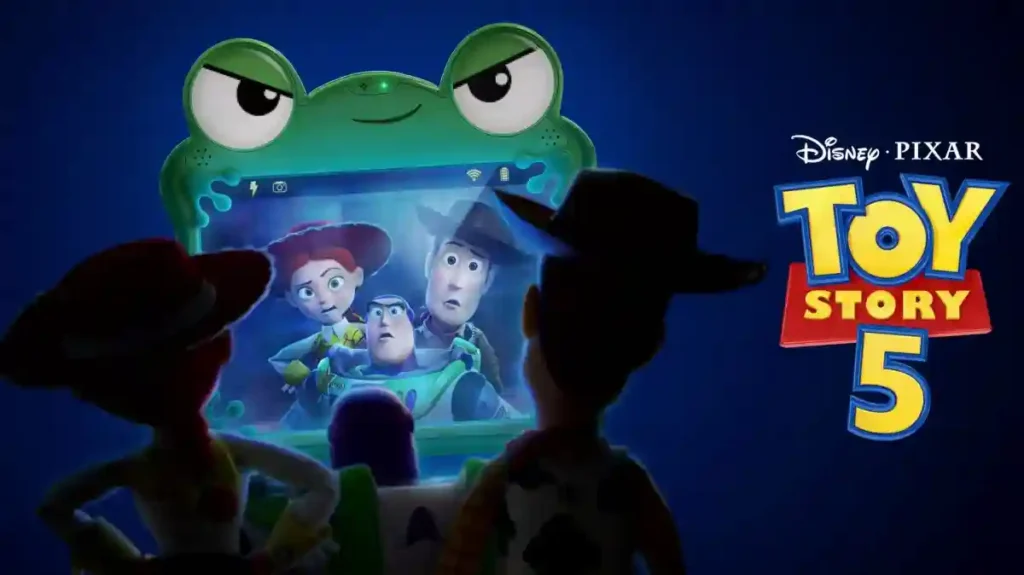
Table of Contents
Toy Story is one of Pixar Animation Studios’ cartoon films, leaving the audience with multiple emotional attachments, including love, nostalgia, the importance of caring for materials, getting wisdom to handle jealousy as we grow older, and so much more. Fans of the franchise are not only impressed by the storytelling of each part but also learn some new values that can help solve real-life problems. After a long break following Toy Story 4, Pixar is finally planning to release Toy Story 5.
Pixar’s decision to bring back Toy Story
Nearly 7 years after the release of Toy Story 4, Pixar has decided to revisit the beloved franchise by releasing its 5th sequel. Back in 2019, the 4th part of Toy Story felt like completing the story by satisfying all emotional and logical aspects, and hence was concluded to be the finale of the saga by the audience.
What could be the reason for reviving the saga in the modern age, targeting a whole new generation? Pixar struggled with its financial performance at the box office, after experimenting with multiple concepts and modern age technology, and was still unable to rebuild the golden charm that it had in its prime years when it released the all-time favourite sagas, leaving a permanent memory for the audience, including Toy Story, Cars, Wall-E, and many more.
Among all iconic projects by Pixar, Toy Story is one of the most beloved franchises. Considering the craze of Toy Story and its characters among its fans, Pixar decided to revisit the franchise, which could be helpful for their brand revitalization, as the saga not only delivered the storyline but also left an emotional space in the hearts of toonheads. The franchise still carries a gigantic fan base; the group of its fan base consists of audiences of each generation, including boomers, millennials, Gen-Z, and Gen-alpha.
For You: Why “Project Hail Mary” struggled to find IMAX screens in India
This quality of fan base can be estimated by the purchasing power and continuous sales of Toy Story’s character figurines being sold in the market, and fans are still collecting the figurines of their favourite characters. Relaunching a new sequel for Toy Story after its 4th part, considered as the finale of the franchise, with more advanced digital animations and deep-rooted connections of the characters with the modern smart universe, could help Pixar grow its financial standard at the box office by delivering a guaranteed hit.
Expected Plot
The Toy Story franchise has followed the concept of portraying the emotions a group of toys might carry if they were alive, and teaching the audience the importance of each toy and memory they might carry by living our childhood with us, and how they deserve to be treated with good care. A toy is not only meant to entertain the kid and help them engage throughout their childhood, but each toy also has a motive to fulfil the joy each child deserves during their childhood by helping them build their imaginary world and have an imaginary character with an important role in that world.
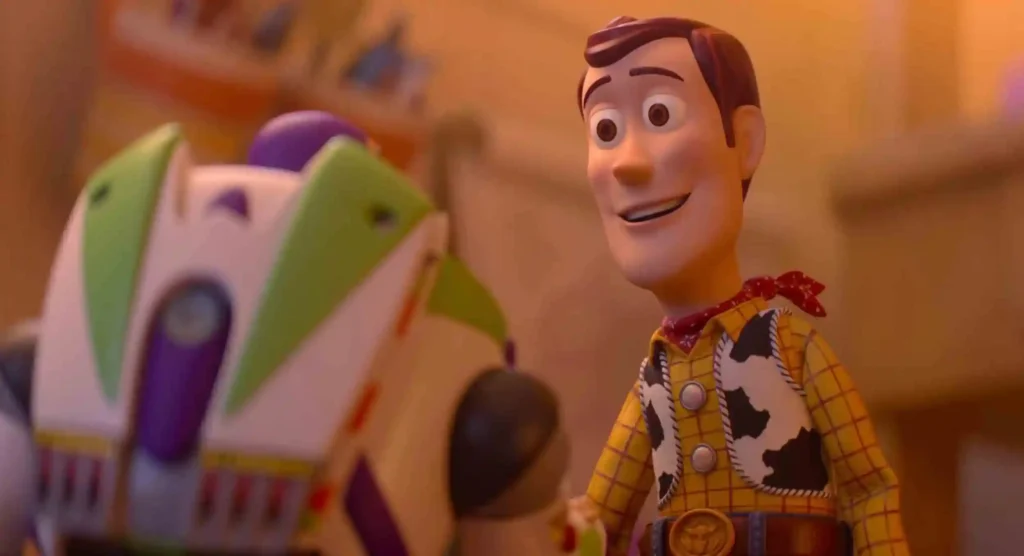
Toy Story 5 is expected to stick to the core idea of showing the importance of toys in a child’s life, but with a fresh twist. Instead of highlighting rivalry among toys, this time the conflict may shift toward a digital game competing for the child’s attention, unlike its previous ones, portraying the competition among different groups of toys. To portray a new rival character, the makers of the movie have introduced a new AI-driven tablet character named Lilypad. The upcoming storyline could encourage the younger generation to look beyond digital games and rediscover the joy of playing with toys, helping them build imagination while also supporting better physical activity and overall well-being.
For You: Lee Cronin’s “The Mummy”: Release Date, Expectations, And More
The journey of Toy Story
The franchise has already released 4 seasons, each generating a vast and loyal fan base over the years. Here’s a look at how the journey unfolded, from the very first release to the fourth installment:
Toy Story (1995)
The first part of the franchise focused on portraying the concepts of jealousy and friendship by highlighting the character Woody’s leadership in the group of toys a child Andy had, which was affected after the entry of a modern-aged high-technology toy, Buzz Lightyear. Woody and Buzz got into a rivalry for maintaining the leadership position and favourite character role for their owner, Andy. After multiple attempts at degrading each other, they got into trouble together. To get themselves out of the trouble, they worked together and came back to the group after building a strong bond.
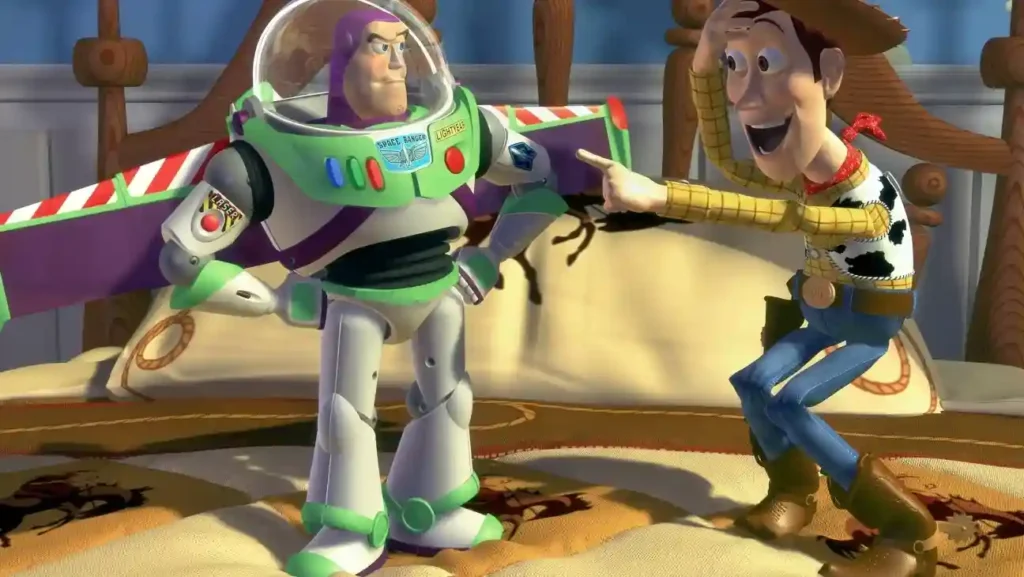
Talking about the production of the first part, the team and makers faced issues in drawing and building each character, their movement and expression digitally due to a lack of technology, but the result delivered a hit to the box office, contributing to generating a gigantic fan base.
Toy Story 2 (1999)
The second part of the franchise experimented with the concept of mortality, portraying the toys being broken and losing their value among children. In this movie, Woody was stolen by a collector and was forced to be a rare, vintage, but fragile collectible. Woody was injured and forced to choose his future living as an important and immortal life in a museum or risking his value with a fear of being forgotten by Andy and still returning to him in search of love.
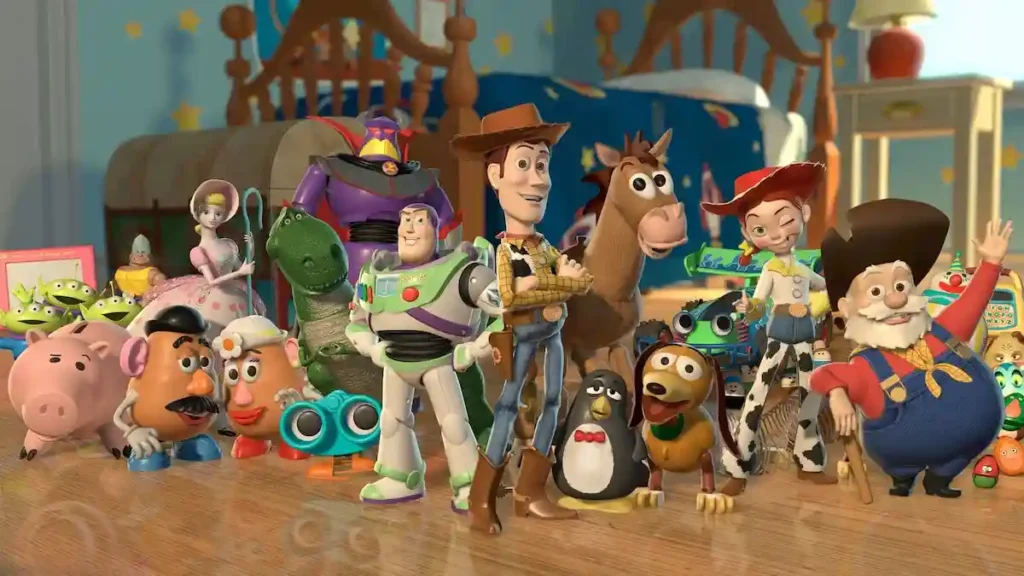
The production team increased their proficiency in software and was able to deliver a theatrical-quality animated series to the audience.
For You: Avengers: Secret Wars Release Date, Storyline, and Expectations
Toy Story 3 (2010)
The third movie revolved around the concept of the need to move on and find a new purpose in life when the previous one is accomplished or is extinct for some reason. It is a mild way of telling us that it is better not to hold back or lose the desire to move forward due to these changes. In this part, Andy was moving to college, and the group of toys was living in fear of being abandoned; later, they found their new purpose of living their childhood again with a new kid, Bonnie.
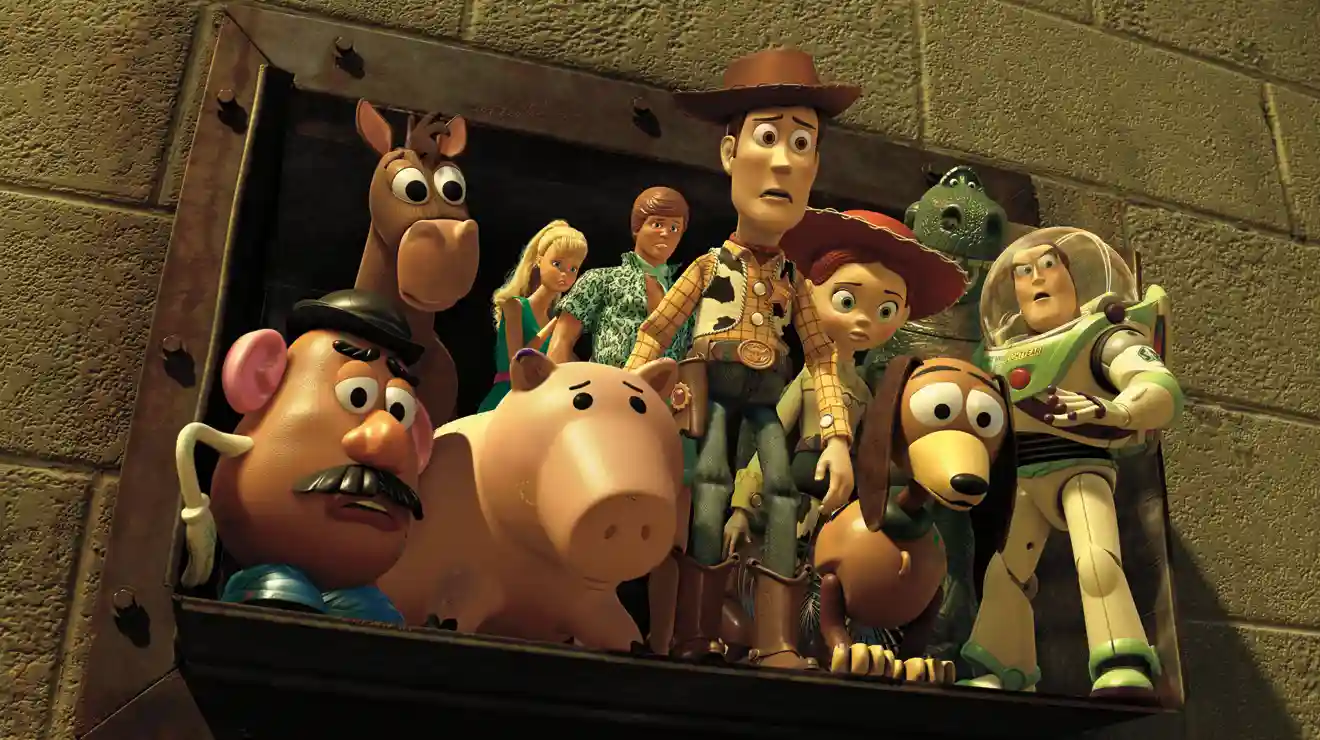
As this movie was produced a decade after the release of the first part, the technologies had vastly improved and allowed the team to generate more realistic human models like the grown-up Andy.
Toy Story 4 (2019)
The fourth part portrayed the struggles of Woody in adjusting to his new group. He was living as a leader under Andy’s collection of toys, but now living as a supporter and finding it difficult to accept his new identity. The movie delivered the lesson of moving on with a new identity and accepting the change in life, whether it’s promotion or degradation and finding personal happiness in each role.
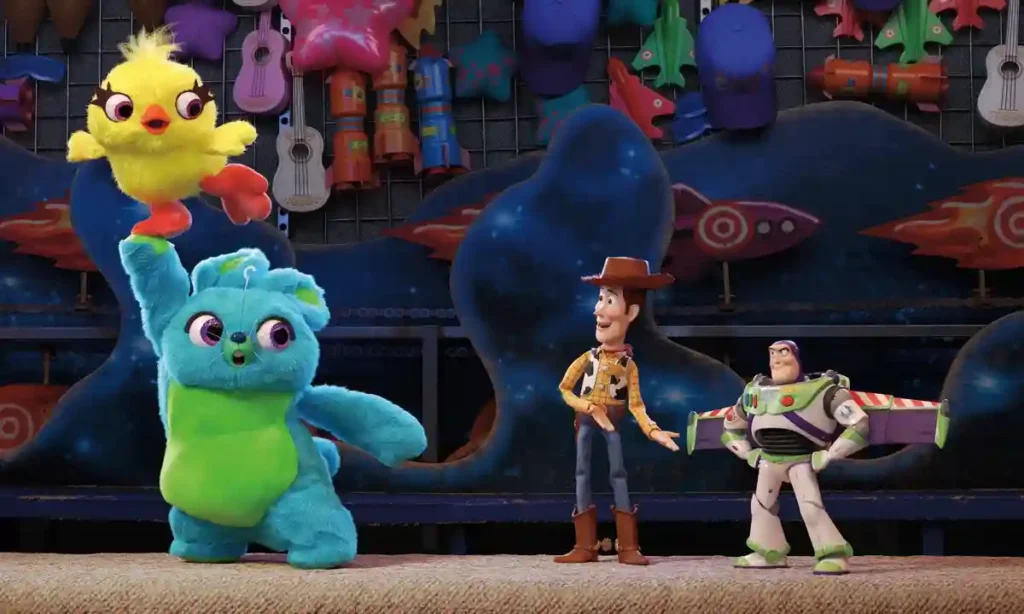
The fourth part had maximum options for generating high-stakes animated characters with advanced lighting and polished detailing.
Frequently Asked Questions
How did Toy Story change movie history?
Pixar led the toon industry by delivering the beloved franchises, including Toy Story, Cars, Finding Nemo, and many more. The reason Toy Story is loved by the audience is the blend of emotions it delivered, like nostalgia, love, and jealousy, teaching values like moving on, finding a new purpose, loyalty, friendship and meeting the storyline with relevant real-life scenarios.
What happened in the first Toy Story?
Initially, Woody got jealous of the more advanced toy Buzz Lightyear and was scared of him taking over his leading role in the group of toys, which generated competition between them, but later, both of the toys generated a strong bond of friendship.